Perhentian Islands are a tropical paradise, famous for their pristine beaches, crystal-clear waters, and vibrant coral reefs teeming with marine life. However, increasing tourism, pollution, and climate change pose serious threats to this delicate ecosystem. As visitors, we have a responsibility to enjoy the islands sustainably and protect them for future generations.
Supporting marine conservation does not mean sacrificing fun. By adopting eco-friendly habits, respecting wildlife, and choosing sustainable experiences, travelers can make a significant impact. For example, staying at accommodations like BuBu Villa Resort, which implements sustainable practices and partners with local conservation initiatives, allows tourists to enjoy comfort while supporting the island’s ecosystem.
This article explores practical ways to support conservation efforts in Perhentian Islands, from reef-safe snorkeling to volunteering with local programs, making your 2025 trip both enjoyable and responsible.
Understanding Perhentian Islands' Marine Ecosystem
The waters around Perhentian Islands are home to colorful coral reefs, sea turtles, reef fish, and other marine species. Coral reefs act as natural barriers protecting the coastline, while beaches serve as critical nesting grounds for turtles.
Tourists often underestimate how small actions, like touching corals or leaving litter, can disrupt this fragile ecosystem. Awareness of these impacts is the first step toward responsible travel. Sustainable tourism ensures that both wildlife and local communities continue to thrive alongside visitors. Scientists estimate that coral reefs support nearly 25% of all marine species, despite covering less than 1% of the ocean floor.
Healthy coral reefs do more than provide beautiful snorkeling and diving experiences. They serve as important habitats for marine life, protect coastlines from erosion and strong waves, and support local livelihoods through tourism and fishing activities. When reefs become damaged by pollution, climate change, or irresponsible tourism practices, the effects can be felt throughout the entire ecosystem. Protecting these habitats helps ensure that future generations can continue to enjoy the natural beauty and biodiversity that make the Perhentian Islands such a unique destination.
Reef-Safe Practices for Snorkelers and Divers
Before heading into the water, explore the top marine habitats featured in our Best Snorkeling Spots in Perhentian Islands guide. Snorkeling and diving are some of the most popular activities on Perhentian Islands. To minimize environmental damage:
Use reef-safe sunscreen to avoid chemicals harmful to coral.
Avoid touching or standing on corals, which can cause irreversible damage.
Maintain neutral buoyancy while diving to prevent accidental reef contact.
Refrain from feeding fish; it disrupts the natural ecosystem.
Choose eco-conscious dive centers that promote conservation awareness.
Following these practices helps maintain the vibrant underwater life that makes Perhentian Islands a top snorkeling and diving destination.
Choosing Eco-Friendly Accommodation
Choosing where you stay can significantly influence the environmental impact of your trip. Many eco-conscious accommodations actively work to reduce energy consumption through LED lighting, water-saving systems, and responsible waste management practices. Some properties also participate in beach clean-ups, support marine conservation organizations, or educate guests about local environmental challenges. By supporting businesses that prioritize sustainability, travelers help create demand for responsible tourism practices across the islands. Before booking, consider researching a property’s environmental initiatives and commitment to preserving the natural beauty of the Perhentian Islands. Supporting eco-conscious resorts and lodges has a direct impact on conservation. Look for accommodations that:
Implement waste management and recycling programs
Use energy-efficient systems and water-saving measures
Partner with local environmental NGOs
Offer educational programs about local ecosystems
A prime example is BuBu Villa Resort, which balances guest comfort with environmental responsibility. Staying here supports sustainable tourism while providing guests with beachfront luxury and easy access to snorkeling, diving, and jungle treks.
Supporting Local Conservation Programs
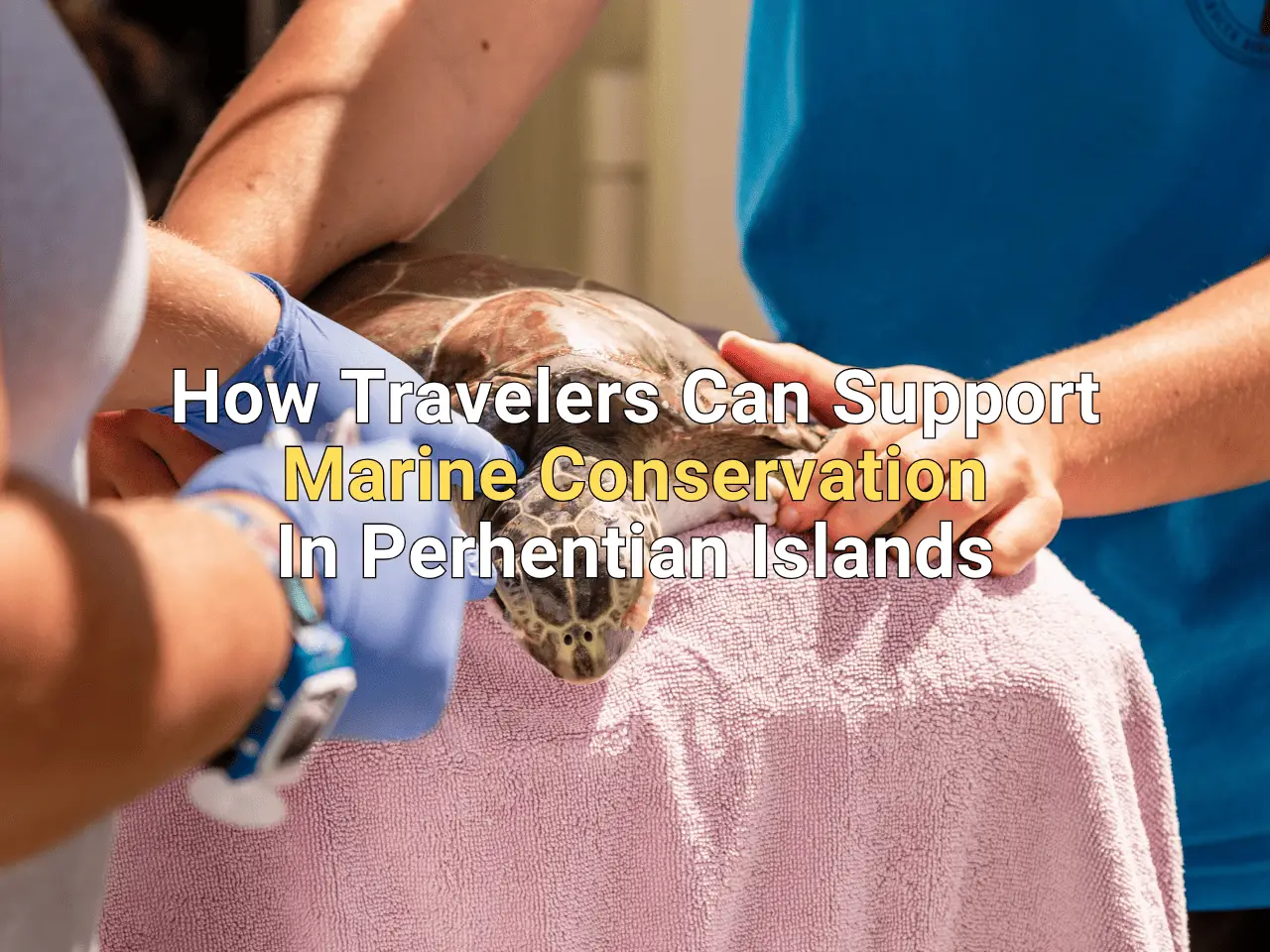
Participating in conservation activities can be one of the most rewarding aspects of visiting the islands. Beach clean-up events not only remove harmful debris but also provide insight into the environmental challenges facing coastal communities. Visitors can learn about turtle nesting cycles, coral reef restoration techniques, and marine biodiversity through educational programs organized by conservation groups. These experiences allow travelers to connect more deeply with the destination while making a meaningful contribution to ongoing protection efforts. Even a few hours of volunteer work can help support projects that benefit the marine ecosystem year-round. Travelers can actively participate in conservation through:
Beach clean-ups organized by NGOs
Turtle nesting monitoring programs, especially during hatching season
Reef restoration volunteering, helping plant coral fragments or maintain marine nurseries
These programs provide hands-on experience, allowing visitors to learn about marine life and contribute to meaningful change. Interested in marine conservation firsthand? Learn how to observe nesting turtles responsibly in our Turtle Watching in Perhentian Islands: Best Time & Responsible Tourism Tips guide.
Sustainable Activities Beyond the Water
The Perhentian Islands offer numerous land-based experiences that allow visitors to appreciate nature responsibly. Guided jungle walks provide opportunities to observe native plants, birds, and wildlife while learning about the island’s ecology. Nature photography is another low-impact activity that encourages appreciation for the environment without disturbing habitats. Travelers can also support local communities by purchasing handmade products, dining at locally owned restaurants, and choosing tour operators that follow sustainable practices. These activities contribute to the local economy while reducing pressure on sensitive marine areas. Conservation isn’t limited to snorkeling or diving. Eco-friendly alternatives include:
Jungle treks on marked trails to avoid disturbing wildlife
Photography of wildlife without handling or feeding animals
Responsible island hopping by using licensed, eco-conscious operators
Even small choices like these reduce human impact on the island’s fragile ecosystem.
Reducing Plastic Waste and Pollution
Reducing waste while traveling is one of the simplest ways to support conservation efforts. Bringing a reusable water bottle can significantly decrease the number of disposable plastic bottles used during a trip. Reusable shopping bags, food containers, and cutlery are also practical alternatives to single-use items. Travelers should be mindful of securing their belongings and disposing of waste correctly, especially when spending time on beaches or boats. Small actions may seem insignificant individually, but collectively they can help reduce the amount of pollution entering the marine environment and harming wildlife. Plastic pollution is a serious threat to marine life. Travelers should:
Bring reusable bottles, bags, and containers
Avoid single-use plastics like straws and packaging
Dispose of trash properly, using recycling points where available
Pick up litter when possible during beach walks
Minimizing plastic waste keeps the beaches clean and protects marine creatures such as turtles and reef fish.
Educating Others and Promoting Awareness
Awareness plays a crucial role in protecting natural destinations. Visitors who learn about conservation challenges are often inspired to adopt more sustainable habits both during and after their trip. Sharing responsible travel practices through social media, blogs, and conversations with friends can encourage others to make environmentally conscious choices. Highlighting positive examples of conservation success can also inspire greater community involvement and support for environmental initiatives. By becoming advocates for sustainable tourism, travelers help ensure that future generations can continue to enjoy the beauty and biodiversity of the Perhentian Islands. Sharing knowledge about marine conservation can amplify the impact. Travelers can:
Post eco-friendly tips on social media
Encourage friends and family to adopt sustainable habits
Support awareness campaigns and educational programs in local communities
Education ensures that more people adopt responsible tourism practices, preserving Perhentian Islands’ natural beauty.
Protecting Perhentian Islands requires conscious effort from every visitor. By practicing reef-safe snorkeling, choosing eco-friendly accommodations like BuBu Villa Resort, participating in local conservation programs, reducing plastic waste, and promoting awareness, travelers can enjoy their tropical adventure responsibly.
Every action counts toward keeping the ecosystem healthy, vibrant, and sustainable, ensuring that Perhentian Islands remains a paradise for wildlife and visitors alike. Make your 2025 trip unforgettable while leaving a positive impact on the islands.