
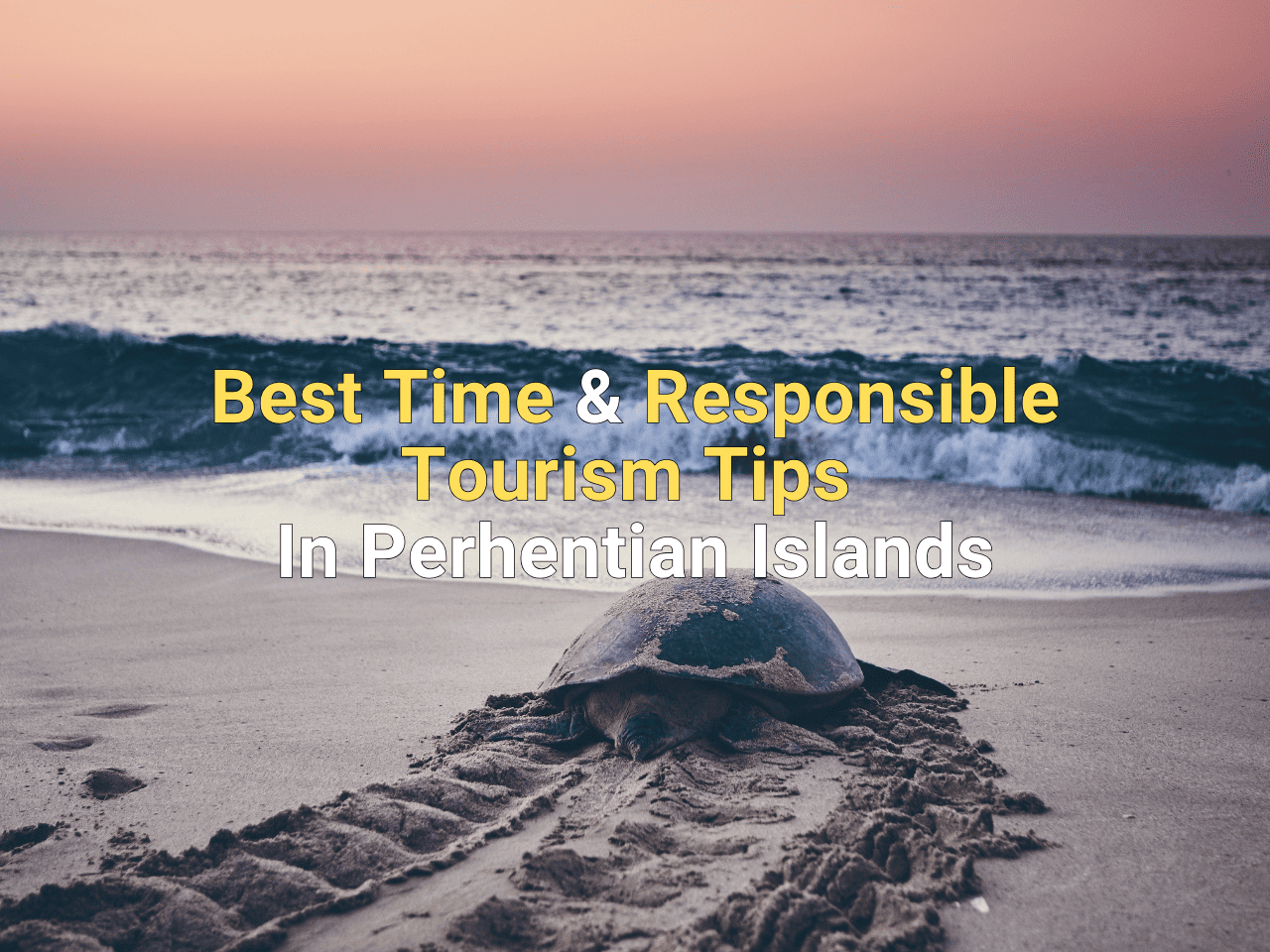
Watching sea turtles in the Perhentian Islands is one of the most moving wildlife experiences you can have in Malaysia. From female turtles coming ashore to lay eggs to graceful green and hawksbill turtles feeding near shallow reefs, the islands offer opportunities for both snorkelers and eco-minded travelers. This guide covers the best time to see turtles, where to go, and how to view them responsibly while supporting local conservation.
The Perhentian Islands are home to two of the world’s most important sea turtle species, the Green Turtle and Hawksbill Turtle. Conservation surveys have recorded numerous nesting activities each year, making the islands one of Malaysia’s significant turtle habitats.
Best Time to Watch Turtles
The main turtle nesting season on Perhentian Islands typically runs from May to September — this is when female green and hawksbill turtles most often come ashore to nest. For snorkeling viewers hoping to see turtles swimming, the calmer months from April to October generally offer the best water visibility and higher chances of spotting turtles near reefs such as Turtle Point.
During the peak nesting period between May and September, visitors have the highest chance of observing turtle-related activities, while snorkeling conditions are often at their best due to calmer seas and water visibility that can exceed 10 to 20 metres.
Traveler’s Tip: Night visits during nesting season can be possible with guided, conservation-approved programs — never attempt to approach nesting turtles on your own.
Understanding the Turtle Nesting Cycle
Sea turtles follow an extraordinary life cycle that spans thousands of kilometres across the oceans. Female turtles return to the same region where they were born to lay their eggs, often traveling vast distances between feeding and nesting grounds.
After coming ashore at night, a female turtle carefully digs a nest in the sand and deposits dozens of eggs before covering them and returning to the sea. The eggs incubate beneath the sand for approximately 45 to 70 days, depending on weather and beach conditions.
When hatchlings emerge, they instinctively move toward the brightest horizon, which is naturally the reflection of moonlight over the ocean. Artificial lighting from resorts, boats, or flash photography can confuse hatchlings and reduce their chances of reaching the sea safely. This is why many conservation programs place strong emphasis on controlling light pollution near nesting beaches.
Sea Turtle Species Found in Perhentian Islands
The Perhentian Islands are home to two remarkable sea turtle species: the Green Turtle and the Hawksbill Turtle. Green turtles are the larger of the two and are commonly seen feeding on seagrass beds in shallow coastal waters. Adult green turtles can weigh over 150 kilograms and may live for several decades in the wild.
Hawksbill turtles are smaller but equally fascinating. They are recognized by their distinctive pointed beaks, which help them feed on sponges and other organisms living among coral reefs. Hawksbills play an important role in maintaining healthy reef ecosystems by helping control sponge populations that would otherwise compete with corals for space.
Both species are classified as threatened globally, making the Perhentian Islands an important sanctuary for their survival. Responsible tourism and conservation efforts are essential to ensure that future generations can continue to observe these magnificent marine reptiles in their natural habitat.
Where to See Turtles (Top Spots)
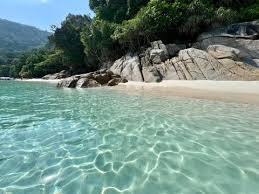
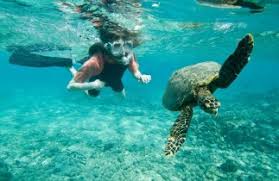
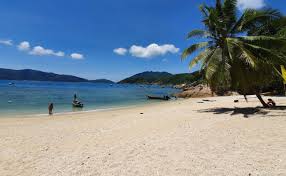
Green turtles can often be spotted grazing on seagrass beds in shallow coastal waters, while hawksbill turtles are more commonly seen around coral reef habitats. Many snorkeling sites are located just 20 to 100 metres from shore, making turtle encounters accessible to a wide range of visitors.
Turtle Beach (Perhentian Besar) — renowned nesting area (access by boat; guided visits only).
Turtle Point / Coral Bay area — excellent for snorkeling and casual turtle sightings in shallow water.
- D’Lagoon & Rompin Reef — quieter snorkel sites where turtles are sometimes spotted feeding.
Note: Locations and access can change with conservation rules; always check with local guides/dive centers before planning a visit. Turtle Point is one of several best snorkeling spots in Perhentian Islands where visitors can encounter turtles, colorful reef fish, and healthy coral formations.
Snorkeling with Turtles Responsibly
Many visitors encounter turtles while snorkeling around Perhentian Islands’ coral reefs. Seeing a turtle glide effortlessly through crystal-clear water is often a highlight of any island holiday. However, snorkelers should remember that turtles are wild animals and should never be approached too closely.
If a turtle appears nearby, remain calm and allow it to continue its natural activities. Avoid swimming directly above the animal or blocking its path to the surface, as turtles must regularly come up for air. Chasing a turtle for photographs can cause stress and force it to expend valuable energy.
Experienced guides often know the best areas for turtle sightings while maintaining safe distances. Choosing eco-conscious snorkeling tours helps ensure that wildlife encounters remain enjoyable for both visitors and marine animals.
Responsible Turtle-Watching Practices
Protect turtles — and your experience — by following these rules:
Keep your distance. Observe from at least 3–5 meters (or your guide’s recommended distance).
Never touch, chase, or feed turtles. This stresses them and damages their natural behavior.
No flash photos at night. Bright lights disorient nesting females and hatchlings.
Avoid marked nesting areas. Do not walk on or disturb marked sections of beach.
Use reef-safe sunscreen and avoid wearing lotions that harm coral and marine life.
Follow your guide’s instructions at all times — they know local regulations and best practices.
For more information about other species you may encounter, explore our marine life guide. Visitors interested in turtle conservation can learn more through the Sea Turtle Research Unit (SEATRU), which conducts research and protection programs for sea turtles in Malaysia.
Conservation Challenges Facing Sea Turtles
Although the Perhentian Islands provide valuable habitat for sea turtles, these animals face numerous threats both locally and globally. Plastic pollution is one of the most significant concerns. Turtles may mistake floating plastic bags for jellyfish, leading to injury or death when ingested.
Climate change also affects turtle populations. Rising sea levels can erode nesting beaches, while increasing sand temperatures may influence hatchling survival and even affect the ratio of male to female turtles produced from nests.
Coral reef degradation presents another challenge. Healthy reefs provide feeding grounds and shelter for many marine species, including turtles. Damage caused by pollution, careless anchoring, or irresponsible tourism can reduce the quality of these habitats over time.
The good news is that conservation initiatives throughout Malaysia continue to improve protection measures through research, habitat monitoring, community education, and sustainable tourism practices.
Local Conservation Groups & How to Support Them
Supporting local conservation helps protect turtles and their habitat. Ways to get involved:
Volunteer or donate to local turtle-monitoring or coral-restoration programs (many groups operate community projects during nesting season).
Join educational briefings offered by dive centers and NGOs — proceeds often go to conservation work.
This guide covers the best time to see turtles, where to go, and how to view them responsibly while supporting local conservation. For information on marine protected areas and responsible wildlife interactions, visit Marine Parks Malaysia.
How to Join Turtle-Watching Tours
Book with reputable operators that emphasize conservation and proper viewing conduct.
Choose small-group tours or community-led programs to reduce disturbance.
Ask about permits and guidelines — legitimate night or nesting-viewing trips will follow local rules and often coordinate with conservationists.
Turtle watching in the Perhentian Islands is unforgettable — when done responsibly. By visiting at the right time, following respectful viewing practices, and supporting local conservation efforts, you help protect these ancient mariners and ensure future visitors can enjoy them too.