Travel responsibly to protect nature and support the Perhentian Islands’ local community.
Travel responsibly to protect nature and support the Perhentian Islands’ local community.
Home / Responsible Travel
The answer is both YES and NO. Once we take a plane or boat, we’ve already stepped away from “green travel.” What matters is how we choose to explore and act once we arrive.
It’s unrealistic to stop visiting the Perhentian Islands — tourism supports local livelihoods and conservation. The goal isn’t to stop traveling but to travel better.
Here’s how you can help:
protect nature & choose eco-friendly experiences
respect local culture & traditions
support small island businesses
donate to or volunteer with local NGOs
Even small choices make a big difference in keeping the Perhentian Islands clean, green, and thriving.
The Perhentian Islands are known for their crystal-clear waters, vibrant coral reefs, and incredible marine life. These natural ecosystems are beautiful but also fragile, which means visitors play an important role in protecting them. By practicing responsible travel, you can help preserve the islands’ beaches, coral reefs, and wildlife while still enjoying everything this tropical paradise has to offer.
Coral reefs around the Perhentian Islands support a wide variety of marine species and are one of the main reasons visitors come to snorkel and dive here. However, coral is delicate and can be easily damaged by careless contact.
Responsible reef practices include:
Never touching or standing on coral
Maintaining good buoyancy when diving
Keeping fins and equipment away from reefs
Following guidance from dive instructors or snorkeling guides
Even small actions help ensure the reefs remain healthy for future visitors.
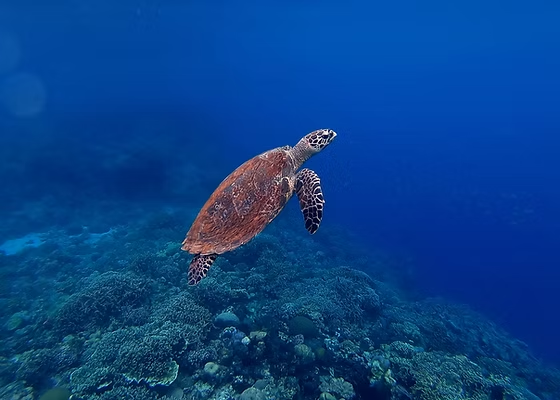
The waters around the Perhentian Islands are well known for sightings of green sea turtles and hawksbill turtles. These gentle creatures are a highlight for many visitors, but they are also protected species that require a safe environment to survive.
When encountering sea turtles or other marine wildlife, visitors should:
Keep a respectful distance and avoid blocking their path
Never touch or ride turtles
Avoid using strong flash photography underwater
Allow animals to swim freely without chasing them
Respecting wildlife ensures these amazing encounters remain natural and stress-free for the animals.
The waters surrounding the islands are home to sea turtles, reef sharks, rays, and many colorful fish species. While it can be exciting to encounter wildlife underwater, it is important to observe animals responsibly.
Visitors should remember to:
Keep a respectful distance from marine animals
Avoid chasing or touching wildlife
Never feed fish or sea turtles
Use flash photography carefully around marine creatures
Allowing wildlife to behave naturally helps maintain the balance of the marine ecosystem.
Snorkeling is one of the most popular activities in the Perhentian Islands, thanks to the clear water and shallow coral reefs. While snorkeling is easy for beginners, it’s important to do it responsibly to avoid damaging the fragile marine environment.
Follow these simple snorkeling guidelines:
Never stand on coral reefs
Keep a safe distance from sea turtles and marine animals
Avoid kicking coral with your fins
Do not collect shells or marine life
Follow instructions from snorkeling guides
Responsible snorkeling helps protect the reefs while allowing everyone to enjoy the underwater beauty of the islands.
The white sandy beaches of the Perhentian Islands are one of the destination’s greatest attractions. Keeping these beaches clean and undisturbed helps preserve the natural beauty of the islands and protects marine ecosystems.
Visitors can help by practicing responsible beach habits:
Take all trash with you when leaving the beach
Avoid leaving food waste that may attract wildlife
Do not remove coral, shells, or marine life
Respect quiet hours and keep noise levels reasonable
Keeping the beaches clean and natural helps maintain the peaceful island atmosphere that makes the Perhentian Islands so special.
Many common sunscreens contain chemicals that can harm coral reefs and marine life. When swimmers enter the ocean, these chemicals can wash off and accumulate in the water, affecting coral growth and reef ecosystems.
To reduce your impact on the marine environment:
Choose reef-safe or mineral-based sunscreen
Avoid sunscreens containing oxybenzone or octinoxate
Wear rash guards or UV swimwear for sun protection
Apply sunscreen at least 20 minutes before entering the sea
Using reef-safe sunscreen is a simple way to help protect the coral reefs that make the Perhentian Islands such a special destination.
Due to the islands’ remote location, waste management can be challenging. Travelers can help reduce environmental impact by minimizing plastic use and disposing of waste properly.
Simple ways to reduce waste include:
Bring a reusable water bottle
Avoid single-use plastic bags and straws
Dispose of trash in designated bins
Take part in beach clean-up efforts when possible
Small changes in daily habits can make a big difference in protecting the islands.
Many tour operators and dive centers on the islands are committed to sustainable tourism practices. Choosing responsible businesses helps support conservation efforts and encourages better environmental standards.
Look for operators that:
Follow responsible snorkeling and diving practices
Provide environmental briefings before activities
Limit group sizes for tours and dives
Promote reef-safe sunscreen and eco-friendly habits
Supporting responsible operators helps protect the natural beauty of the islands.
The Perhentian Islands are also home to local communities who depend on tourism and fishing for their livelihoods. Being respectful toward local culture and businesses helps create a positive and sustainable tourism environment.
Visitors can support local communities by:
Dining at local restaurants
Booking local guides and tours
Respecting cultural norms and traditions
Keeping beaches and public areas clean
Responsible tourism benefits both the environment and the people who live on the islands.
Protecting the Perhentian Islands requires cooperation between visitors, businesses, and local communities. By following responsible travel practices, you can help ensure the islands remain one of Malaysia’s most beautiful marine destinations.
If you are interested in contributing further, you can learn more about environmental projects in our Conservation & Volunteering in the Perhentian Islands guide.
Before and during your trip to the Perhentian Islands, keep these responsible travel tips in mind to protect the islands and their marine life: