
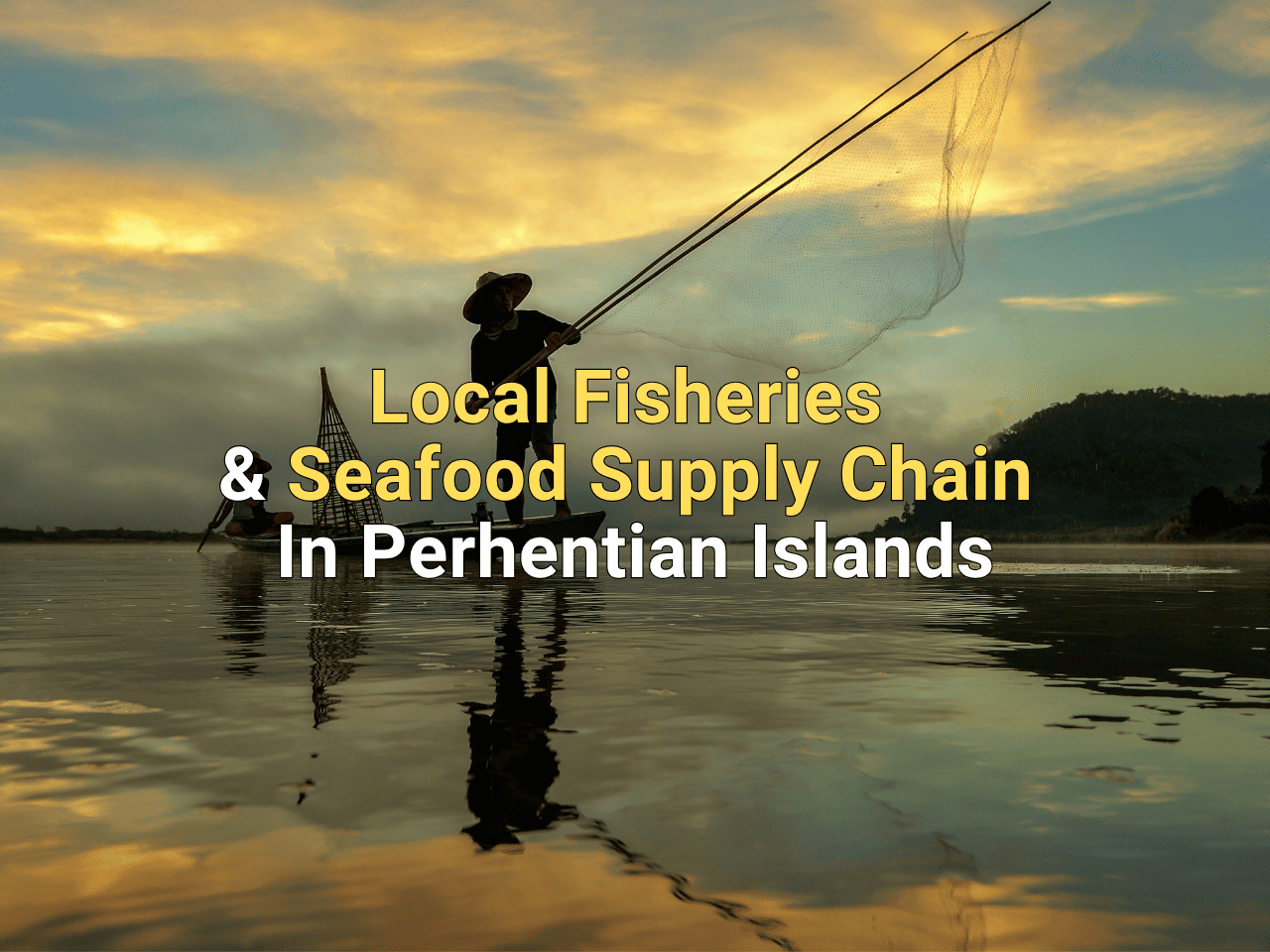
If you’ve ever visited the Perhentian Islands, you’ve likely tasted the freshest seafood imaginable — from succulent fish grilled by the beach to aromatic nasi lemak with sambal ikan (rice with spicy fish). But what many don’t realize is the incredible journey that seafood takes from the ocean to your plate. The Perhentian Islands are home to local fisheries that play a vital role in the island’s economy, culture, and community. Let’s explore how these fish make their way from the boats to the vibrant seafood restaurants that serve them.
The Role of Local Fisheries in Perhentian Islands
Fishing is one of the oldest traditions on the Perhentian Islands. For generations, local fishermen have relied on the bountiful seas to provide fresh catches — a mainstay for their livelihoods and the island’s culture. Fishing continues to contribute an estimated 30–40% of local household income in island communities, alongside the growing tourism industry.
The fisheries on Perhentian Islands operate in small, tight-knit communities, where each fisherman knows the best fishing spots and traditional methods. While tourism has taken off, fishing remains central to the islanders’ way of life.
Here’s a glimpse at how it all works:
Traditional Fishing: Local fishermen use small boats or wooden canoes, called “sampans,” and set nets or hand-line fishing.
Catch of the Day: Most fish caught are sold fresh in local markets or to nearby restaurants, ensuring the island’s seafood remains as fresh as it gets.
Sustainable Fishing Practices in Perhentian Islands
Sustainability is crucial when it comes to seafood — and the Perhentian Islands are making big efforts to preserve the local marine ecosystem. Overfishing and damage to coral reefs have become major concerns, so the local fisheries are working to ensure they maintain a healthy balance.
Sustainable Techniques Used by Local Fishermen:
Limited Catch: Fishermen follow local regulations on catch limits to avoid overfishing.
Fishing Seasons: They also adhere to seasonal closures, giving fish populations a chance to replenish.
Marine Conservation: Some fishermen actively participate in local marine conservation projects, which protect fragile ecosystems and encourage sustainable practices.
It’s not just about the catch — it’s about ensuring the ocean stays full of life for future generations. For more information on sustainable fishing policies and marine resource protection in Malaysia, you can refer to the Department of Fisheries Malaysia.
How Seafood Makes Its Way to Your Plate
Once caught, the journey of seafood is far from over. Here’s how it moves from the ocean to your plate:
The Catch: Fishermen head out early in the morning and return with the day’s catch, which can include snapper, grouper, squid, and lobster.
Local Markets: Fresh catches are brought to local markets on Perhentian Kecil or Perhentian Besar, where they’re sold to restaurants and local food vendors.
From Boat to Plate: Many beachside restaurants buy seafood directly from the fishermen, ensuring you get it fresh from the sea. It’s not unusual to see fishermen selling their catch by the beach for travelers to enjoy on the spot.
Traveler’s Tip: If you’re dining at a local restaurant, ask if the fish is from a nearby fisherman. It’s a fun way to support the local community!
Seasonal Seafood Availability in Perhentian Islands
Sea conditions around the East Coast of Malaysia are heavily influenced by the Northeast Monsoon, which typically occurs from November to February. During this period, fishing activity in Perhentian Islands is significantly reduced due to rough seas, and many resorts also operate at lower capacity or temporarily close. As a result, seafood supply becomes more limited and relies more on stored or mainland-sourced ingredients.
From around March to October, calmer waters return and fishing activity increases again. This is considered the peak season for fresh seafood, when fishermen can safely go out daily and supply restaurants with a wider variety of catch such as snapper, grouper, squid, and prawns. Travelers visiting during these months often experience the freshest and most diverse seafood options on the islands.
During peak season, it’s also common to see more “catch of the day” menus, where availability changes daily depending on what fishermen bring back — making every meal slightly different and more authentic.
Top Seafood Dishes to Try in Perhentian Islands
When you’re on the islands, eating seafood is a must! Here are a few dishes you can’t leave without trying:
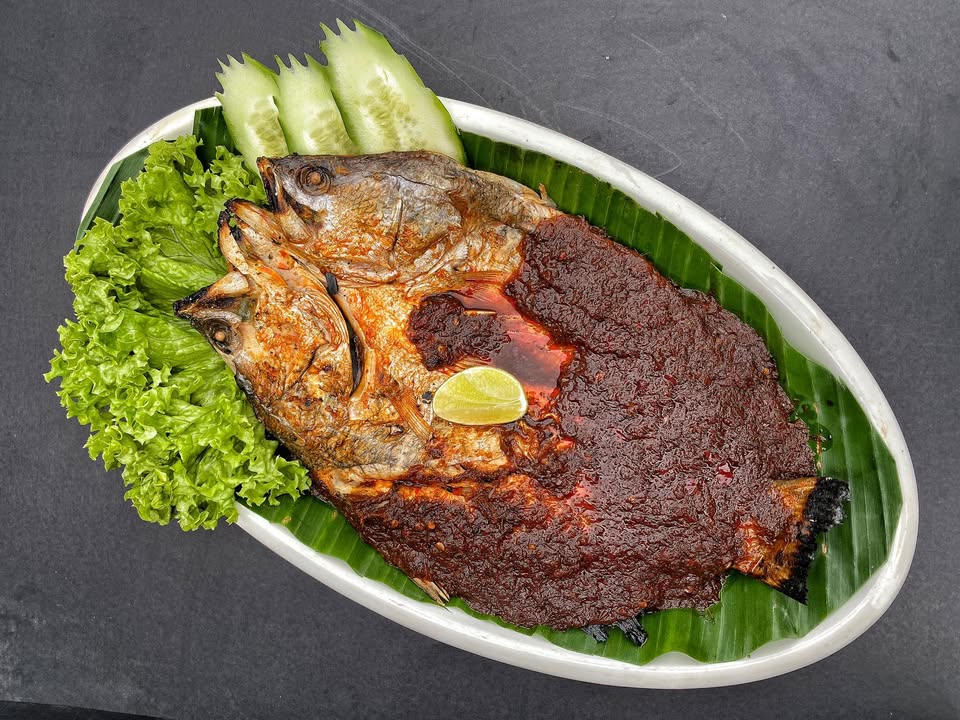
Ikan Bakar (Grilled Fish): A classic — grilled to perfection and usually served with rice, sambal (spicy chili sauce), and a squeeze of lime.
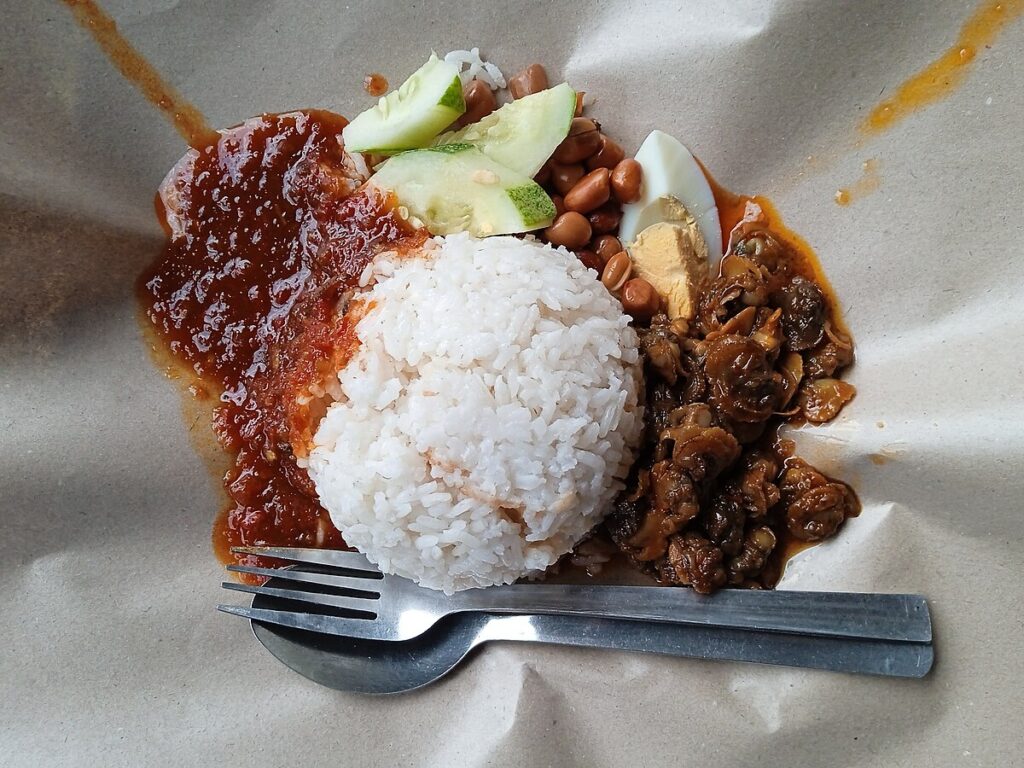
Nasi Lemak with Sambal Ikan: Coconut rice paired with a delicious fish or sambal, perfect for a flavorful breakfast or lunch.
Keropok Lekor (Fish Crackers): A local snack made from fish paste, fried until crispy. It’s a popular treat to munch on while watching the sunset.
Seafood Plater: A selection of seafood served hot and cold and consist of slipper lobster, king prawn, giant clams, scallops and smoked salmons
Supporting Local Fishermen and Sustainable Seafood
If you want to enjoy your seafood and feel good about it, consider supporting local, sustainable fishing practices:
Choose Local: Eat at restaurants that buy directly from the fishermen. You’re not just getting fresher seafood, but you’re also supporting the island’s community.
Sustainable Choices: Opt for fish dishes from well-managed fisheries and sustainable sources. Many restaurants on the island are moving towards eco-friendly menus that focus on preserving the oceans.
Participate in Conservation: If you’re feeling adventurous, join a marine conservation program or a beach clean-up while you’re on the island. It’s a great way to give back to the place that gives you so much. These efforts are part of the wider Sustainable Tourism in Perhentian Islands movement, which aims to balance tourism growth with environmental protection and community wellbeing.
The journey of seafood in Perhentian Islands is as rich as the taste itself. From small local fisheries to your plate, every piece of fresh fish tells the story of the island’s long-standing relationship with the sea. By supporting sustainable practices and eating fresh local seafood, you can enjoy these amazing flavors while helping preserve the beauty of this tropical paradise for generations to come.