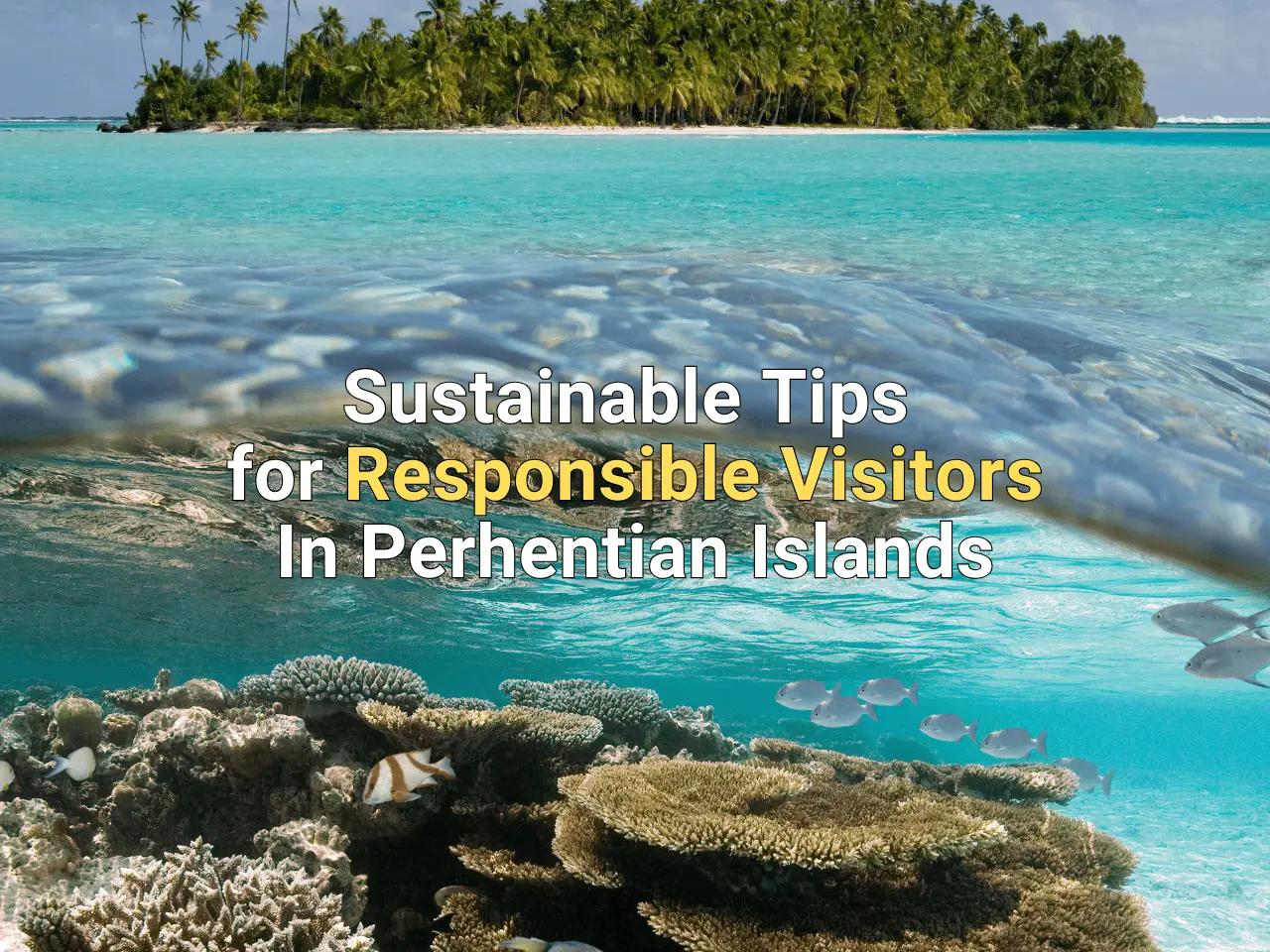
The Perhentian Islands are a slice of tropical paradise — crystal-clear waters, white sandy beaches, and vibrant marine life. Water visibility around the islands can often exceed 15–20 meters during the dry season, making the reefs highly attractive to snorkelers and divers. But with growing tourism, it’s more important than ever to travel responsibly and help protect what makes this destination so special. Whether you’re here to dive, relax, or explore nature, these eco-friendly travel tips will help you make a positive impact while enjoying an unforgettable island experience. To better understand the ecosystems you’re helping to protect, explore our guide to Marine Life & Conservation in Perhentian Islands.
Choose Eco-Conscious Accommodations


Many resorts in Perhentian Islands are now embracing sustainability by using solar power, reducing plastic use, and managing waste responsibly.
Bubu Villa, Perhentian Kecil – Uses solar energy and supports local conservation efforts.
Alunan Resort, Perhentian Kecil – Known for reforestation projects and coral restoration programs.
When booking your stay, look for places that follow green practices such as energy efficiency, reef-safe amenities, and water conservation.
Sustainable Travel Facts About Perhentian Islands
Understanding the environmental context of the Perhentian Islands helps travelers make more responsible decisions:
- The Perhentian Islands are part of the Terengganu Marine Park, a protected area established to conserve coral reef ecosystems and marine biodiversity in Malaysia.
- Coral reefs in the region are among the most sensitive ecosystems in Southeast Asia, with coral growth rates averaging only 1–3 cm per year, meaning damage can take decades to recover.
- Water visibility can reach 15–20 meters during the dry season (March–October), making it one of Malaysia’s most popular snorkeling and diving destinations.
- The islands rely heavily on tourism, with most economic activity concentrated in resorts, dive centers, and boat services operating during peak season.
- Marine species commonly spotted include green turtles, blacktip reef sharks, clownfish, and parrotfish, all of which depend on healthy coral systems to survive.
- Studies on island tourism in Malaysia show that improper waste disposal and plastic pollution are among the top threats to marine parks similar to Perhentian.
These facts highlight why sustainable tourism practices are essential to preserving the islands’ long-term ecological health.
Say No to Single-Use Plastics
Plastic pollution is one of the biggest threats to Perhentian Islands’ beauty. Bring a reusable water bottle, eco-friendly straws, and tote bags. Some cafés and dive centers even offer refilling stations for free or a small fee.
Traveler’s Tip: Many islands have limited waste management — so pack your trash and take it back to the mainland whenever possible.
Why Conservation Matters in Perhentian Islands
The Perhentian Islands experience seasonal tourism pressure, especially during peak months when visitor numbers can increase significantly. While tourism supports the local economy, it also creates environmental stress if not managed responsibly.
Coral reefs are particularly vulnerable. Even small actions such as touching coral, standing on reefs, or using non-reef-safe sunscreen can contribute to reef degradation. Once coral is damaged, it may take 10–30 years to recover, depending on conditions.
Marine parks in Malaysia are protected under conservation laws, but enforcement alone is not enough. Visitor behavior plays a critical role in maintaining water quality, protecting marine habitats, and ensuring that wildlife such as turtles continue to return to nesting sites each year.
Protect Marine Life While Snorkeling or Diving
Perhentian Islands’ coral reefs are stunning, but they’re also fragile. Follow these simple rules:
Never touch or stand on coral.
Use reef-safe sunscreen (non-toxic to marine life).
Keep a safe distance from turtles and fish.
Avoid feeding wildlife or removing shells and coral pieces.
Small actions make a huge difference in keeping the ocean healthy. Planning to explore the reefs? Check out the Best Snorkeling Spots in Perhentian Islands guide to discover the top locations while practicing responsible snorkeling habits.
Support Local Communities
One of the best ways to travel sustainably is by giving back to the local community.
Dine at locally owned restaurants instead of big chains.
Buy handmade crafts from villagers.
Join volunteer programs such as beach clean-ups or turtle protection initiatives.
Every ringgit you spend locally helps preserve the island’s traditional way of life.
Travel Smart & Light
Eco-friendly travel starts before you even arrive.
Pack light to reduce your carbon footprint.
Choose public transport or shared transfers to Kuala Besut Jetty.
Minimize your energy use — switch off air-conditioning and lights when not in use.
Simple habits can make your trip both sustainable and meaningful.
Eco-Friendly Packing Checklist
Preparing responsibly before your trip helps reduce environmental impact from the moment you arrive:
- Reusable water bottle (refill instead of buying plastic bottles)
- Reef-safe sunscreen (non-toxic to marine life)
- Reusable shopping bag or dry bag
- Quick-dry towel and lightweight clothing
- Reusable straw or cutlery set
- Waterproof container for waste storage during island trips
- Minimal toiletries in refillable containers
Packing light also reduces fuel consumption during boat transfers, as speedboats to the islands typically operate multiple daily trips from Kuala Besut Jetty, carrying both passengers and supplies.
By traveling mindfully, you become part of the effort to protect the Perhentian Islands for future generations. Choosing eco-resorts, avoiding plastics, and respecting nature all contribute to preserving the island’s charm and marine treasures.
Every responsible traveler makes a difference — so let’s keep Perhentian Islands beautiful, one eco-friendly choice at a time.