
Perhentian Islands Season & Perhentian Islands Climate
Home / Weather Guides
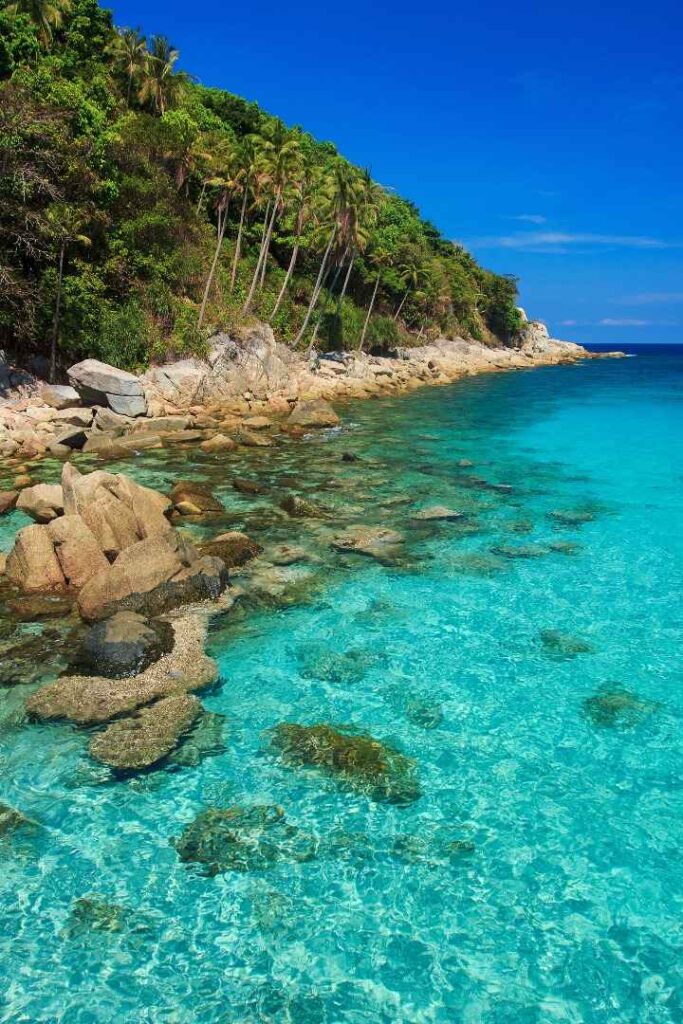
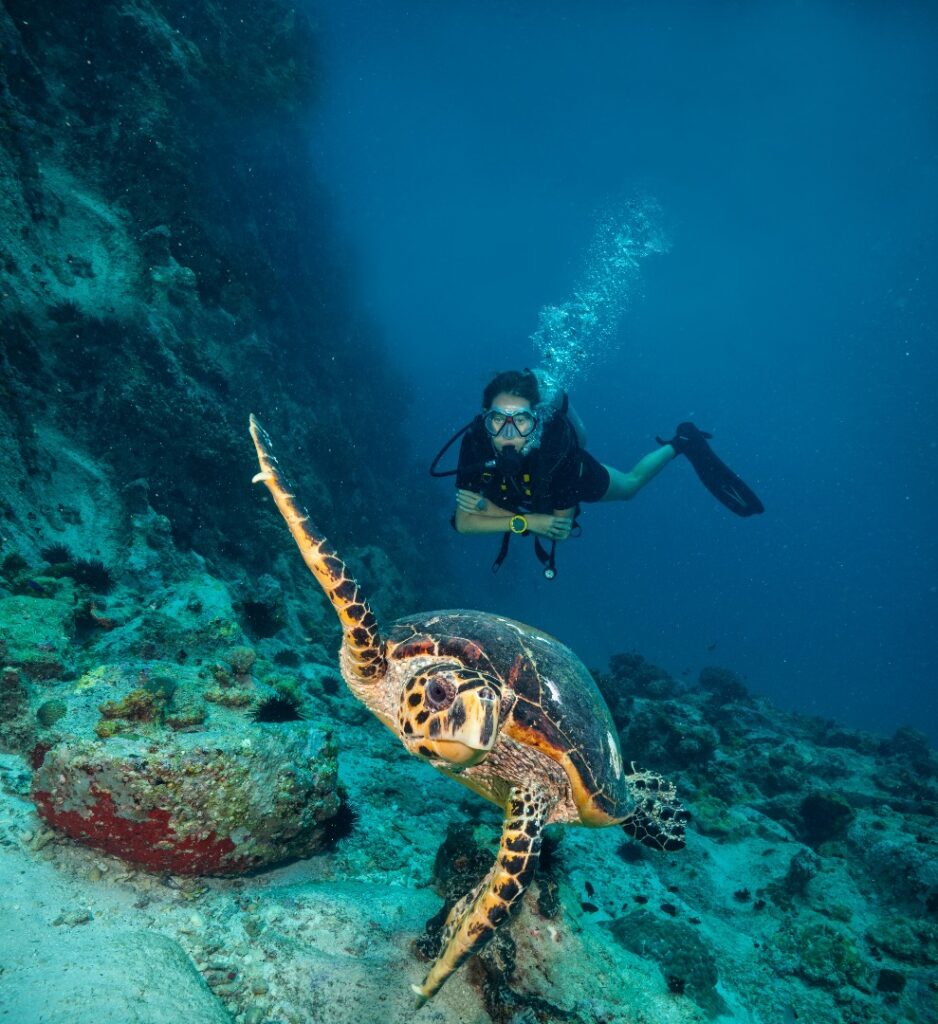
Perhentian Islands experiences a warm tropical climate all year, influenced by the South China Sea and seasonal monsoon winds. While temperatures remain fairly consistent, the overall travel experience can vary greatly depending on the season. Here are the key things to know about the island’s weather:
Warm and humid year-round, with daytime highs around 30–32°C and cooler nights averaging 23–25°C.
Dry season has sun and calm seas; monsoon brings rain, rough seas, and fewer boats.
Weather affects diving, beach activities, and access, so choosing the right season is key.
Perhentian Islands have two main weather patterns shaped by the monsoon. Temperatures stay warm year-round, but dry and rainy months affect travel, sea conditions, and activities. The dry season brings clear skies and calm seas, while the monsoon brings rain, winds, and limited access.
Dry Season (March–September)
Characterized by sunny skies, calm seas, and excellent underwater visibility. This is the best period for diving, snorkeling, and island hopping.
Monsoon Season (October–February)
Marked by heavy rainfall, rougher seas, and limited boat transfers. Many resorts close during this time for safety and maintenance.
Stable Temperatures Year-Round
Daytime highs average around 30–32°C, while nighttime temperatures stay between 23–25°C, making the island warm in all seasons.
Low Season
Shoulder Season
Mid Season
High Season
High Season
High Season
Peak Season
Peak Season
Mid Season
Shoulder Season
Low Season
Low Season
Tourism in Perhentian Islands follows the seasons. Dry months attract more visitors, while the monsoon brings fewer arrivals and limited services. Understanding these patterns helps you plan better.
School holidays and summer bring big crowds, higher prices, and busier beaches.
Fewer visitors, good weather, lower rates, and a more relaxed vibe.
Monsoon brings heavy rain, limited boats, and many resorts close, though rates drop.

The best months to visit Perhentian Islands are from March to October, with April to September offering the most reliable sunshine, calm seas, and great diving conditions. These months are ideal for snorkeling, beach activities, and island hopping.
No, it doesn’t rain every day, but during the monsoon season (November to February), heavy showers and storms are frequent. Sea conditions can be rough, and many resorts and boat services close for safety.
Most resorts on Perhentian Islands close during the monsoon season (November–February). From March to October, nearly all accommodations operate as usual.
In the dry season, calm seas and clear skies give excellent snorkeling and diving visibility. During the monsoon, rough waters and heavy rain reduce visibility, and trips may be limited or canceled.
Travel to Perhentian Islands is limited during the monsoon season (November–February). Boat services are reduced or suspended, and many resorts close, making it less convenient for visitors.
The busiest months in Perhentian Islands are June to August, when school holidays and summer break bring more tourists, higher prices, and livelier beaches.