

The Perhentian Islands are known today for their turquoise waters and soft sandy beaches — but beyond the postcard views lies a deep, intriguing past. These islands, located off the northeast coast of Terengganu, Malaysia, were once vital trading stops, fishing hubs, and home to timeless legends whispered through generations. In this article, we’ll explore the rich history and local tales that make Perhentian Islands more than just a beautiful destination.
The Perhentian Islands, located about 20 km off the coast of Terengganu, are part of Malaysia’s protected marine ecosystem and attract an estimated hundreds of thousands of visitors annually during peak season (March–October). Tourism has grown steadily since the 1980s, when backpackers first popularized the islands as a hidden tropical escape.
The Meaning Behind “Perhentian”
The word “Perhentian” literally means “stopping point” in Malay — a fitting name for islands that once served as a resting place for traders, fishermen, and sailors navigating between Thailand and Malaysia. Before modern tourism began, boats would stop here to stock up on fresh water, repair ships, or seek shelter from storms.
Over time, these islands became a small but important waypoint on maritime routes across the South China Sea.
Early Settlement and Fishing Heritage
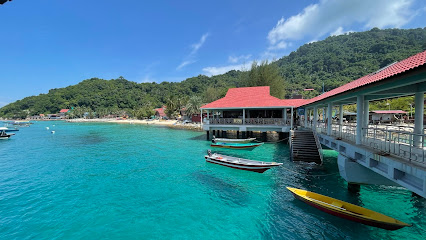
Long before tourism, the Perhentian Islands were home to small fishing communities. The locals, known as Orang Nelayan (fisherfolk), lived simple lives, relying on the sea for survival.
Villages like Kampung Nelayan on Perhentian Kecil remain a living example of this traditional lifestyle. Visitors can still see fishermen mending nets, drying fish under the sun, and launching colorful wooden boats into the calm blue waters.
Fishing wasn’t just an occupation — it was a way of life, shaping the island’s rhythm and community spirit.
Legends and Local Myths of the Islands

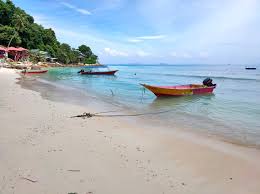
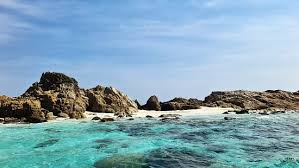
No tropical paradise is complete without a few captivating legends — and Perhentian Islands has its share of stories that continue to fascinate locals and visitors alike.
The Tale of the Guardian Turtle
One of the most beloved legends tells of a giant sea turtle that protected the islands from harm. Locals believe the turtle’s spirit still watches over the reefs and beaches, blessing those who treat nature with respect. This story aligns beautifully with modern conservation efforts to protect turtle nesting sites on the islands.The Lost Lovers of Coral Bay
According to local folklore, Coral Bay was once home to two lovers separated by the sea. Heartbroken, they prayed to be reunited — and the ocean turned calm, allowing them to meet once more. Since then, Coral Bay has been regarded as a romantic spot for couples visiting the island.The Hidden Treasure of Tokong Burung
Some islanders whisper about hidden pirate treasure buried near Tokong Burung — a small rocky islet popular for diving today. While no treasure has ever been found, divers joke that the real treasure lies beneath the waves — the stunning coral gardens and marine life that surround the rock.
For a deeper look at underwater spots like Tokong Burung, check out the Perhentian Islands Snorkeling & Diving Guide covering the best reef locations.
From Hidden Gem to Tourist Haven
Tourism began to bloom in the 1980s, when backpackers discovered the Perhentian Islands as an untouched alternative to more commercialized destinations. The islands quickly gained fame for their affordable accommodations, incredible diving, and laid-back charm.
Today, Perhentian Kecil caters more to budget travelers and backpackers, while Perhentian Besar attracts families and couples seeking tranquility. Despite modernization, both islands strive to preserve their natural beauty and local traditions. For a complete travel experience, check out the Best Things to Do in Perhentian Islands to plan your itinerary around the top attractions and activities.
How Local Stories & Legends Live On Today
Although modernization has changed many aspects of island life, storytelling remains an important part of Perhentian Islands’ cultural identity. Older residents still share stories about sea spirits, unusual rock formations, and mysterious sightings that have become woven into local folklore.
Many of these tales are passed down informally — through family gatherings, conversations between fishermen, or stories shared by village elders. For younger generations, legends help preserve cultural identity and strengthen appreciation for the islands’ natural environment.
Interestingly, some local conservation groups also use storytelling to encourage visitors and residents to care for marine life. The legend of the guardian turtle, for example, reinforces the importance of protecting turtle nesting beaches and coral ecosystems.
For travelers, listening to local stories can add a richer perspective to the islands beyond snorkeling and beach-hopping. Sometimes, understanding a place’s history makes its beauty feel even more meaningful.
Historical Role in Maritime Trade
Before becoming a tourist paradise, the Perhentian Islands quietly played an important role in regional maritime activity. Due to their strategic location along the South China Sea, the islands acted as a temporary resting point for fishermen and traders traveling between the Malay Peninsula, Thailand, and nearby islands.
Small boats carrying spices, dried seafood, textiles, and daily goods often stopped around the islands to seek shelter from rough seas or replenish supplies. While Perhentian Islands were never a major trading port like Melaka, their location made them an important “pause point” for travelers navigating long sea routes.
Because the islands were relatively isolated, local communities developed strong ties to the sea and relied heavily on fishing knowledge passed down through generations. Even today, many island traditions reflect this deep connection to maritime life.
Traveler’s Tip: Visit local jetties in the early morning to see fishing boats returning with fresh catches — it’s one of the best ways to experience the islands’ long-standing fishing culture.
Cultural Traditions Still Seen in Perhentian Islands
Despite growing tourism, traces of traditional island culture remain visible in daily life. In fishing villages, locals still practice traditional seafood preparation methods, repair fishing nets by hand, and gather for community events during festive periods.
During celebrations like Hari Raya Aidilfitri, villages often come alive with shared meals, traditional Malay music, and stronger community interaction. Visitors staying near local villages may occasionally witness these cultural moments, offering a glimpse into island life beyond the resorts.
Simple customs also continue today — greeting locals politely, respecting village spaces, and dressing modestly near residential areas are small gestures that are appreciated by the community.
Preserving Cultural and Natural Heritage
As tourism grows, so does the importance of sustainable travel. Local communities and NGOs have worked together to protect coral reefs, turtle nesting grounds, and village traditions.
Travelers can support these efforts by:
Joining eco-volunteering programs or turtle conservation projects.
Visiting local-run eateries and homestays to support the community.
Respecting cultural customs — dress modestly when visiting villages and avoid disturbing wildlife.
The Perhentian Islands are more than just a tropical escape — they’re a living storybook of culture, legends, and history. From ancient seafarers who stopped here centuries ago to local tales that give each beach a touch of mystery, the islands hold a spirit that connects past and present.
When you next visit Perhentian Islands, take a moment to look beyond the waves — you might just feel the whispers of its legends carried by the sea breeze.