
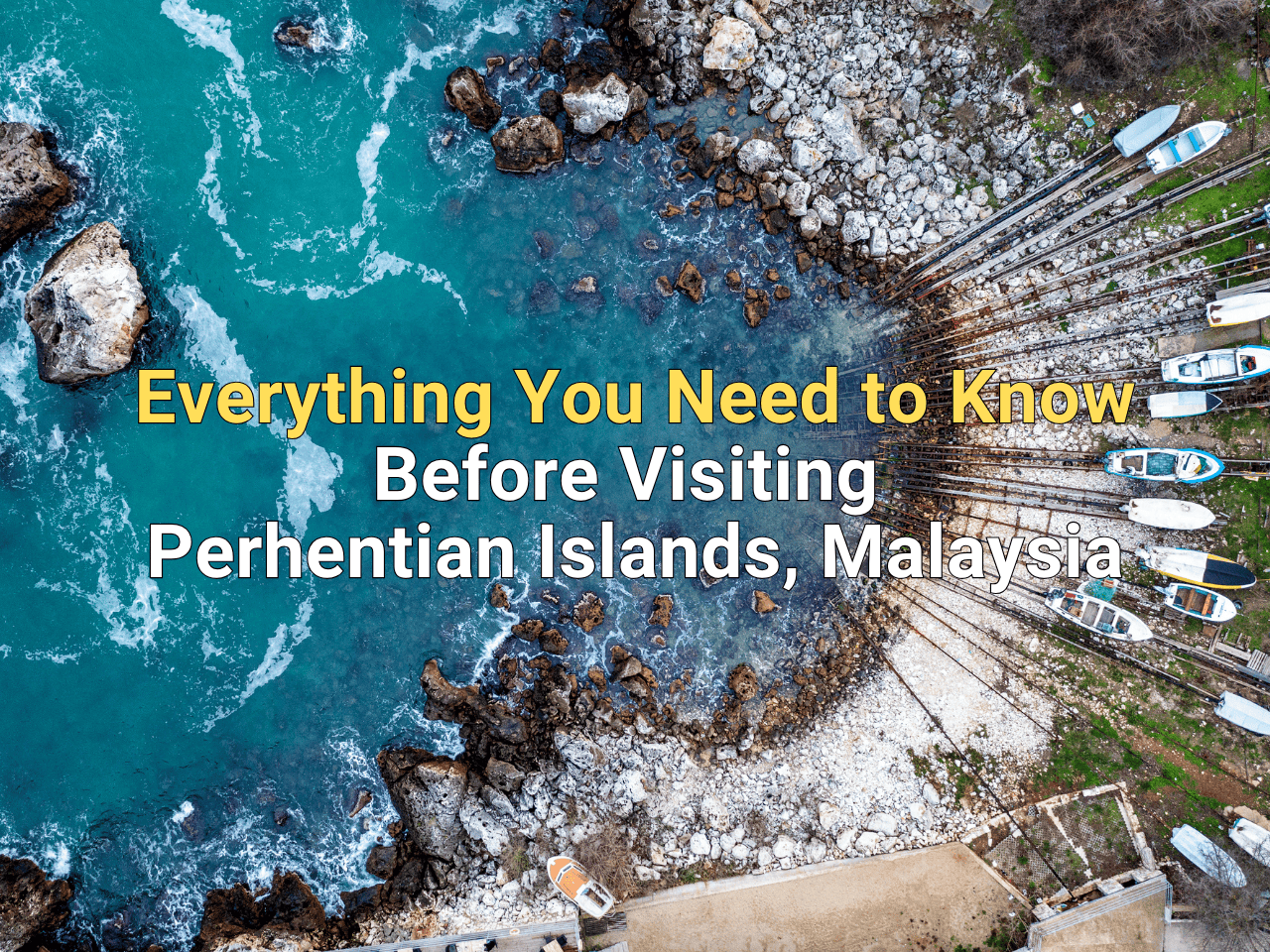
Nestled off the coast of Terengganu, the Perhentian Islands are one of Malaysia’s most breathtaking tropical escapes. Famous for their turquoise waters, vibrant marine life, and soft white beaches, these islands strike the perfect balance between adventure and tranquility. Whether you’re diving beneath coral reefs or relaxing by the shore, every corner of the Perhentians feels like paradise.
Visitors can find additional travel information and destination updates through the Malaysia Tourism Official Website.
Unspoiled Beaches and Scenic Views
The Perhentian Islands consist of two main gems — Perhentian Besar (the bigger island) and Perhentian Kecil (the smaller one).
Perhentian Besar is ideal for families and travelers seeking peace and comfort.
Perhentian Kecil offers a livelier vibe, attracting backpackers and beach lovers with its social atmosphere.
Stroll along Long Beach, famous for its powdery white sands and stunning sunset views or relax at Coral Bay, where gentle waves invite you for a calm swim. If you crave privacy, escape to Romantic Beach or Turtle Beach, where untouched beauty and serenity await. The islands feature numerous beaches and secluded coves, many accessible only by boat or jungle trails. Their relatively undeveloped coastline helps preserve the natural beauty that attracts thousands of visitors every year.
Traveler’s Tip:
Bring a sarong and snorkel gear — you’ll want to jump in the water anywhere you stop.
Must-Do:
Catch the sunset at Coral Bay and dine by the beach for a magical evening experience.
Marine Adventures and Water Activities
The Perhentian Islands are a diver’s dream come true. Beneath the surface lies a world of colorful coral reefs, playful clownfish, and graceful sea turtles. The clear waters make snorkeling accessible even for beginners.
Top snorkeling and diving spots include:
Shark Point – home to harmless blacktip reef sharks.
Turtle Point – where you can swim alongside majestic sea turtles.
Certified divers can take guided trips to deeper reefs or enroll in PADI courses offered by local dive centers. For something more laid-back, rent a kayak or paddleboard, or join an island-hopping tour to explore hidden lagoons and coves. The islands are part of a protected marine environment managed by Marine Parks Malaysia, helping preserve coral reefs and marine biodiversity.
The Perhentian Islands are widely regarded as one of Malaysia’s premier snorkeling and diving destinations. Thanks to their location within a protected marine park, the surrounding waters support an impressive variety of marine species and healthy coral ecosystems. During the peak travel season, underwater visibility can often range from 10 to 30 meters, creating excellent conditions for snorkeling, scuba diving, and underwater photography.
Divers and snorkelers frequently encounter green sea turtles, hawksbill turtles, blue-spotted stingrays, and hundreds of colorful reef fish species. Popular sites such as Coral Garden, Fish Point, and Turtle Point provide unforgettable opportunities to observe marine life in its natural habitat. Whether you’re taking your first snorkeling trip or pursuing an advanced diving certification, the islands offer experiences suitable for every skill level.
Traveler’s Tip:
Always use reef-safe sunscreen to protect marine life.
Must-Do:
Try a half-day snorkeling trip — most tours include multiple island stops and gear rental.
Local Culture and Island Lifestyle
Beyond its beaches, the Perhentians are full of local charm and Malay hospitality. Wander through small fishing villages, where friendly locals greet you with warm smiles and stories of island life. Savor freshly grilled seafood and traditional dishes like nasi goreng kampung or sip on a fresh coconut while watching the tide roll in.
Beyond tourism, the Perhentian Islands are home to traditional Malay fishing communities whose connection to the sea has shaped island life for generations. Visitors who take time to explore local villages can gain a deeper appreciation of the region’s culture, customs, and daily routines. Fishermen still head out before sunrise, while local markets and family-run eateries provide a glimpse into authentic island living.
Many travelers find that interacting with local residents becomes one of the most memorable parts of their trip. From learning about traditional fishing methods to enjoying homemade local dishes, these cultural experiences offer a meaningful contrast to the islands’ popular beaches and resorts. Supporting local businesses and community-based tourism also helps preserve the unique character of the Perhentian Islands.
In the evenings, beach cafés and small bars come alive with music and casual gatherings — the perfect way to meet fellow travelers and enjoy the island’s laid-back rhythm. Food lovers can discover even more local specialties in our Best Cafes & Restaurants in Perhentian Islands guide.
Traveler’s Tip:
Try dining at a local warung (food stall) for authentic island flavors.
Must-Do:
Don’t miss a seaside seafood BBQ — it’s an island tradition!
Where to Stay in Perhentian Islands
Accommodation in the Perhentian Islands caters to every type of traveler, from backpackers and families to honeymooners seeking a luxurious beachfront retreat. Perhentian Kecil offers budget-friendly guesthouses, hostels, and beach chalets that are popular among backpackers and solo travelers. Meanwhile, Perhentian Besar is known for its quieter atmosphere and a selection of family-friendly resorts and beachfront accommodations.
Many properties are located just steps from the beach, allowing guests to enjoy sunrise walks, snorkeling excursions, and stunning ocean views throughout their stay. During peak season between June and August, accommodations can fill up quickly, so booking in advance is highly recommended.
Accommodation options range from simple beachfront chalets and backpacker hostels to upscale resorts offering private beach access and modern amenities. Travelers seeking a social atmosphere often prefer Perhentian Kecil, where budget accommodations and beachside cafés create a lively environment. Families and couples, on the other hand, often gravitate toward Perhentian Besar for its quieter surroundings and relaxed pace.
Because the islands are a seasonal destination, many properties operate primarily between March and October. Booking several weeks or even months in advance is recommended during peak periods, particularly during school holidays and long weekends when demand is highest.
For travelers seeking a balance of comfort, convenience, and island charm, beachfront resorts provide easy access to the island’s top attractions and marine activities.
Travel Tips for First-Timers
Getting to the Perhentian Islands is easy. Most travelers start from Kuala Besut Jetty, where ferries run daily to both Perhentian Besar and Kecil.
Best Time to Visit:
March to October — calm seas, sunny skies, and perfect water clarity.
Packing Essentials:
Reef-safe sunscreen
Lightweight clothing & swimwear
Waterproof dry bag
Power bank (some areas have limited electricity)
Traveler’s Tip:
Many beaches are accessible only by boat — pack light and wear sandals for easy movement.
Must-Do:
Bring a waterproof phone case for those perfect snorkeling selfies!
Getting to the Perhentian Islands is simple — most travelers take a ferry from Kuala Besut Jetty, which connects to both Besar and Kecil. The best time to visit is between March and October, when the weather is sunny and the sea is calm.
Remember to bring reef-safe sunscreen to protect marine life, and pack light — many parts of the island are only accessible by foot or boat. For accommodation, options range from luxury resorts to budget chalets, ensuring a comfortable stay for every traveler.
Although the islands are well-equipped for tourism, visitors should come prepared. Cash remains useful for smaller shops, local food stalls, and boat services, as card payment facilities may not be available everywhere. While mobile phone coverage is generally reliable near the main beaches, internet speeds can vary depending on weather conditions and location.
Travelers should also remember that island life moves at a slower pace than on the mainland. Ferry schedules may occasionally change due to weather conditions, and some services may operate on limited hours. Embracing the relaxed atmosphere is part of the Perhentian experience and often becomes one of the reasons visitors fall in love with the islands.
For environmentally conscious travelers, choosing reef-safe sunscreen, reducing plastic waste, and respecting marine wildlife are simple ways to help protect the fragile ecosystem. Small actions by visitors collectively contribute to preserving the natural beauty that makes the Perhentian Islands so special.
For a detailed breakdown of transport options, ferry schedules, and travel tips, read our Perhentian Islands Travel Guide: How to Get There and What to Expect.
From its unspoiled beaches and crystal-clear waters to its vibrant marine life and welcoming local communities, the Perhentian Islands offer an unforgettable tropical getaway unlike any other in Malaysia. Whether you’re snorkeling with sea turtles, exploring hidden coves by kayak, enjoying fresh seafood by the beach, or simply relaxing beneath swaying palm trees, every day on the islands brings new discoveries.
The combination of natural beauty, outdoor adventure, and authentic island culture makes the Perhentians a destination that appeals to travelers of all ages and interests. Families, couples, solo travelers, and adventure seekers alike can find experiences that create lasting memories.
Plan your escape today — the islands are waiting to welcome you with sun, sea, and smiles. Share this guide with your travel buddies and start your journey to one of Malaysia’s most beautiful island destinations.