
Perhentian Islands are famous for their powdery white sand and crystal-clear waters, making them a dream destination for anyone looking to unwind. But if you look through a camera lens, you will quickly realize this archipelago is so much more than just a place to sunbathe. From the elusive sea turtles gliding through the midday sun to the vibrant hues of a hidden cove at golden hour, the islands offer a rich visual playground for photographers of all skill levels.
Whether you are shooting with a high-end DSLR or just upgrading your smartphone feed, we’ve put together this insider guide to help you step away from the usual tourist crowds. Let’s dive into the secret spots, perfect lighting windows, and authentic cultural moments that will help you capture the true, unspoiled magic of the Perhentian Islands.
What is Perhentian Islands Photography?
Perhentian Islands photography is the art of capturing the archipelago’s diverse visual landscapes, blending vibrant marine ecosystems, serene coastal sunrises, and rich local culture. It involves utilizing specific lighting windows—like the tropical golden hour—and exploring hidden, off-the-beaten-path locations to document the authentic, unspoiled beauty of this Malaysian paradise through a camera lens.
Top 10 Perhentian Islands Photography Tips and Spots
Shoot Sunrise at Teluk Pauh
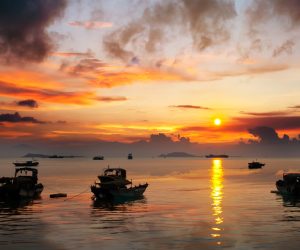
Teluk Pauh is a phenomenal, less crowded location that is absolutely perfect for capturing serene sunrise shots over crystal-clear turquoise waters. Arriving early guarantees you an uninterrupted view of the morning light reflecting off the calm ocean surface.
Setting up your tripod here allows you to capture the gentle motion of the waves with a slow shutter speed. This pristine spot provides a naturally beautiful coastal composition that stands out from the busier tourist beaches.
Discover Secret Coves near Coral Bay
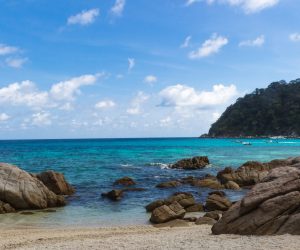
Tucked away near the popular Coral Bay are small, secluded beaches accessible only by taking short, scenic jungle hikes. These hidden coves offer dramatic coastal views without the distraction of boats or large crowds of tourists.
Because space can be tight, these spots are highly ideal for experimenting with wide-angle lenses to capture sweeping coastal landscapes. The sense of isolation here adds a raw, untouched feel to your travel photography portfolio.
Frame with Perhentian Besar Rocks
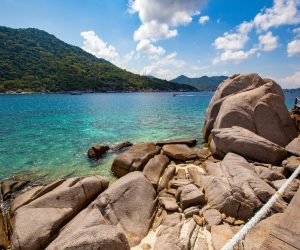
The rugged rock formations found on Perhentian Besar provide an excellent opportunity for creative, structured landscape photography. These jagged granite boulders create compelling, natural frames that draw the viewer’s eye directly into the shot.
Positioning yourself near these rocks during the late afternoon offers spectacular angles for dramatic sunset photos. The stark contrast between the hard stone and the soft, rolling waves creates a dynamic and visually interesting composition.
Explore the Quiet Mangrove Edges
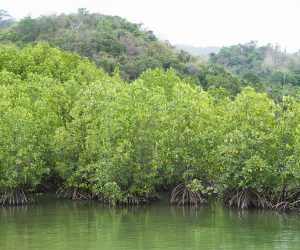
Venture toward the quieter, less-explored mangrove edges of the islands to discover a completely different photographic environment. These areas are characterized by calm, glass-like waters that are perfect for capturing stunning, mirror-like reflections.
With minimal tourists around, the mangroves also serve as a peaceful haven for spotting and photographing local coastal wildlife. Bringing a telephoto lens here will help you capture intimate shots of birds and natural island ecosystems.
Master Midday Underwater Reefs
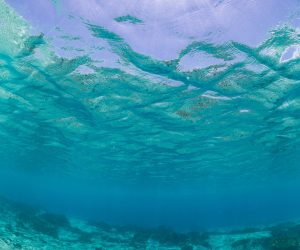
While harsh midday sunlight is tough for landscapes, it is the absolute best time for vibrant underwater photography. From 11:00 AM to 2:00 PM, direct sunlight penetrates the clear water up to 15 to 20 meters deep.
This brilliant illumination reveals the full, dazzling spectrum of the coral reefs and the 500-plus fish species that inhabit them. Shallow house reefs like Coral Bay and Turtle Beach offer perfect, accessible conditions for these bright midday shots.
Capture Dynamic Marine Life Action
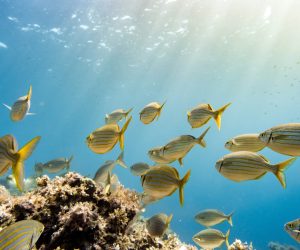
Instead of just snapping static photos of corals, focus your lens on capturing dynamic marine life behaviors. Look for active feeding patterns, synchronized swimming schools, or turtles gently surfacing for air in the calm waters.
For the clearest underwater colors, make sure to shoot with the sunlight positioned directly behind you. Additionally, staying at least one to two meters away from the coral prevents your own shadow from ruining the vibrant scene.
Leverage the Golden Hour Light
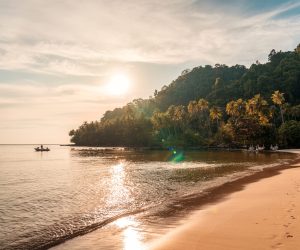
Golden hour on the islands provides the soft, warm, diffused light that is universally ideal for flattering portraits and stunning coastal landscapes. This magical window begins roughly 45 minutes after the morning sunrise, around 6:50 AM to 7:10 AM.
The golden lighting repeats again for about 40 to 50 minutes right before the sun sets in the evening. Savvy photographers use the harsh midday hours to scout their locations, returning during golden hour for the perfect exposure.
Embrace the Blue Hour Tranquility
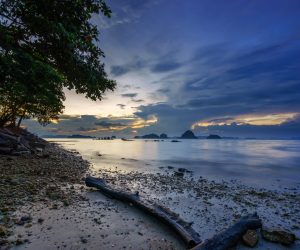
Just after the sun completely dips below the horizon, the islands are bathed in the cool, moody tones of the blue hour. This occurs between 7:15 PM and 7:25 PM and lasts for a brief 20 to 30 minutes depending on the season.
This transient lighting is absolutely perfect for capturing tranquil, empty beaches and incredibly colorful, gradient skies. Using a tripod and a neutral density (ND) filter here allows for breathtaking long-exposure shots of the shoreline.
Document Early Morning Fishing Villages

To tell a complete visual story of the Perhentian Islands, wake up early and visit the local fishing villages. The morning light beautifully illuminates the traditional nets, wooden boats, and daily routines of the local fishermen.
These candid moments provide natural, authentic storytelling shots that highlight the island’s heritage and culture. Always remember to approach respectfully and politely ask for permission before taking close-up portraits of the working locals.
Photograph Vibrant Local Markets
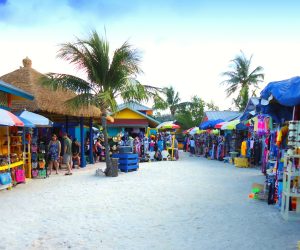
Stepping away from the shoreline and into the bustling local food markets provides a stark, vibrant contrast to your serene beach photos. These lively hubs are packed with colorful ingredients, fresh catches, and energetic interactions.
The chaotic but beautiful activity makes for fantastic, dynamic still-life photos and environmental portraits. Documenting this rich, flavorful side of the island adds crucial depth and cultural immersion to your final photography collection.
| Feature | Golden Hour | Blue Hour |
|---|---|---|
| Timing | 6:50–7:10 AM & 6:30–7:00 PM | 7:15–7:25 PM (Just after sunset) |
| Lighting Quality | Soft, warm, and highly directional. | Cool, moody, and evenly diffused. |
| Best Subjects | Portraits, vibrant landscapes, sun flares. | Tranquil beaches, long-exposures, gradient skies. |
| Required Gear | Standard lenses, polarizers. | Tripod, neutral density (ND) filters. |
Perhentian Islands offer endless opportunities for photographers who look beyond the obvious. By exploring hidden beaches, following lighting tips, experimenting with underwater shots, and capturing local life, you can create a portfolio that truly reflects the island’s charm. Armed with insider knowledge and a creative eye, every visit to Perhentian Islands becomes a chance to capture its magic through your lens.
Frequently Asked Questions About Perhentian Islands Photography
What is the best time of day for underwater photography?
The best time for underwater shots is midday, specifically between 11:00 AM and 2:00 PM. During this window, harsh overhead sunlight penetrates up to 20 meters deep, beautifully illuminating the vibrant colors of the coral reefs and marine life.
What camera gear should I bring to the islands?
Essential gear includes a waterproof housing or action camera for underwater shots, wide-angle lenses for expansive landscapes, and a sturdy tripod. A neutral density (ND) filter is also highly recommended for capturing long-exposure shots of the waves.
Are there easy spots for beginner underwater photographers?
Yes. Shallow house reefs located at Coral Bay and Turtle Beach are highly accessible for beginners. The waters here are calm and less than 3 meters deep, making it very easy to practice snorkeling and photography simultaneously.
How should I approach photographing local villagers?
Always approach locals with politeness and respect. It is crucial to ask for permission before taking candid portraits or photographing their daily activities in the fishing villages and markets, as locals greatly appreciate the courtesy.